


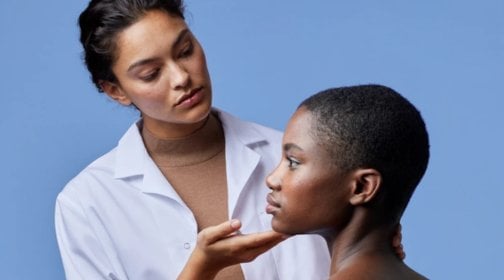


Around the world, millions experience unequal access to dermatologic care, misdiagnosis due to limited representation, and lack of tailored treatment options.
INCLUSIVE DERMATOLOGY CAN REDEFINE SKIN HEALTH FOR EVERYONE
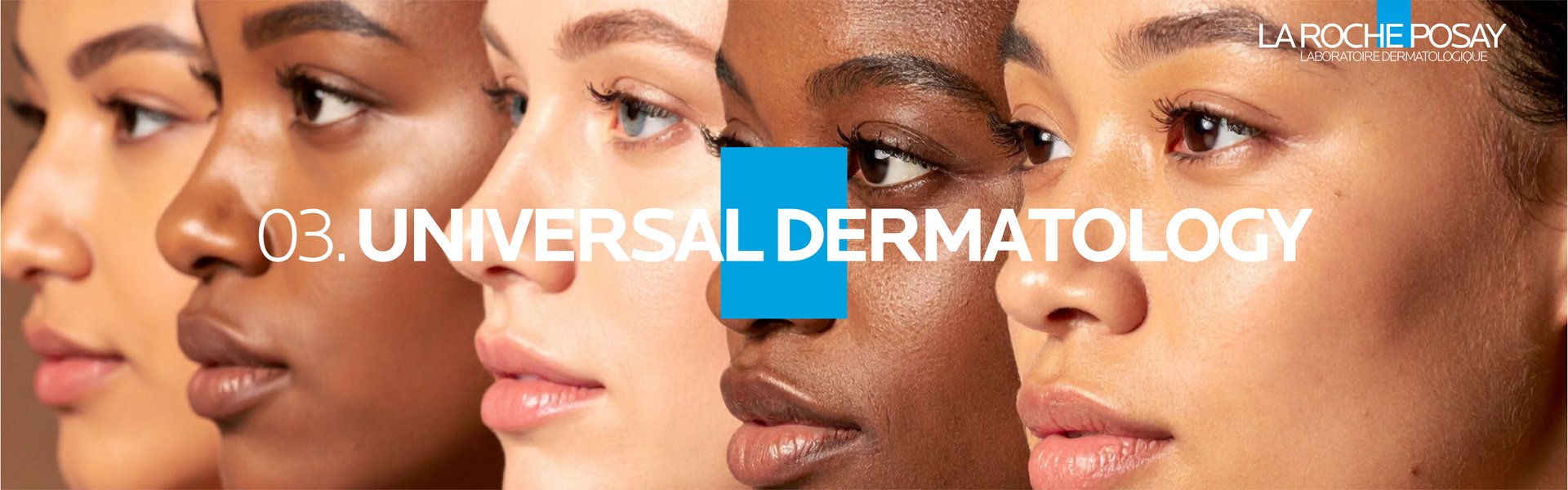
Traditional tools like the Fitzpatrick scale overlook the true biological and cultural diversity of skin and hair, leading to diagnostic gaps.
Newer frameworks, such as the Eumelanin scale offer a more accurate, inclusive view by integrating genetic, physiological, and environmental factors


Research shows that when educational campaigns are tailored to specific communities, early detection and adherence improve significantly.
Minority populations remain underrepresented in dermatology research and clinical trials, even in diseases that disproportionately affect them.

RNA sequencing shows 570 genes differ between African American and White non-Hispanic skin, many of which are linked to inflammation and keratinisation.
The interaction between genetic variations and environmental factors leads to diverse clinical presentations as seen in atopic dermatitis and sun damage.

Want the full picture? Dive into the chapter for a deeper look at the challenges, breakthroughs, and practical steps toward truly inclusive dermatology.
Read on to explore how universal dermatology is reshaping clinical practice
through inclusive research, education, and technology, ensuring skin health
solutions reflect the diversity of the global population.