




Symptoms/signs
66-year-old male patient.
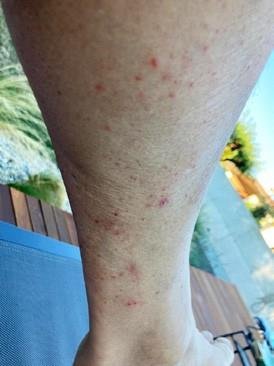
The subject reports dry skin that appeared about three months ago, associated with persistent itching symptoms for a few weeks.
Patient photographs
Clinical presentation
Examination of the entire skin area revealed xerosis of the skin on the limbs – particularly on both legs – showing extensive signs of scratching.
Medical history
The patient has metastatic adenocarcinoma of the colon for which he was initially treated with capecitabine and is currently on the combination of FOLFOX (FOLinic acid, Fluorouracil, OXaliplatin) + bevacizumab.
Differential diagnosis
Drug-induced cutaneous xerosis
Asteatotic eczema
Impetigo
Contact dermatitis (irritative or allergic)
Diagnostic tests
A thorough inspection of the entire skin area reveals potential signs suggestive of possible differential diagnoses: inflammation resulting from alteration of the mechanical barrier is responsible for erythema and oedema associated with asteatotic eczema; observation of impetigo scabs suggests impetiginisation; blister formation or lichenification are typical of contact dermatitis.
Description of the disease
Xerosis is a common skin side effect during cancer therapy: when combined with targeted therapies against EGFR or VEGF, the onset is delayed, occurring after many weeks of treatment, and the condition is more pronounced in the first three months. According to some experiences reported in the literature, up to two thirds of subjects with colorectal cancer undergoing treatment with the FOLFOX + bevacizumab combination experience this manifestation, with varying degrees of intensity, and symptoms that are either absent or characterised by itching and stinging pain. It is useful to recognise and correct any external factors that may aggravate skin xerosis, such as, in particular, excessively dry outdoor or indoor environments and excessive exposure to water and soaps/surfactants.