




Bruising


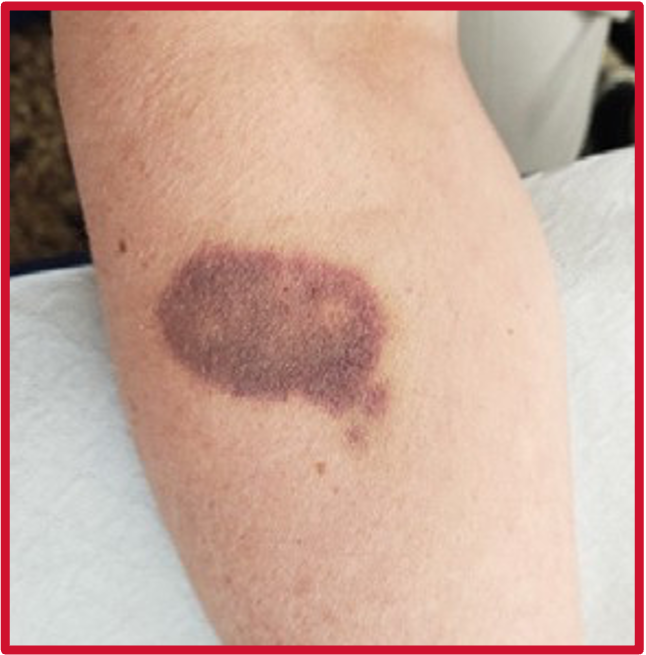
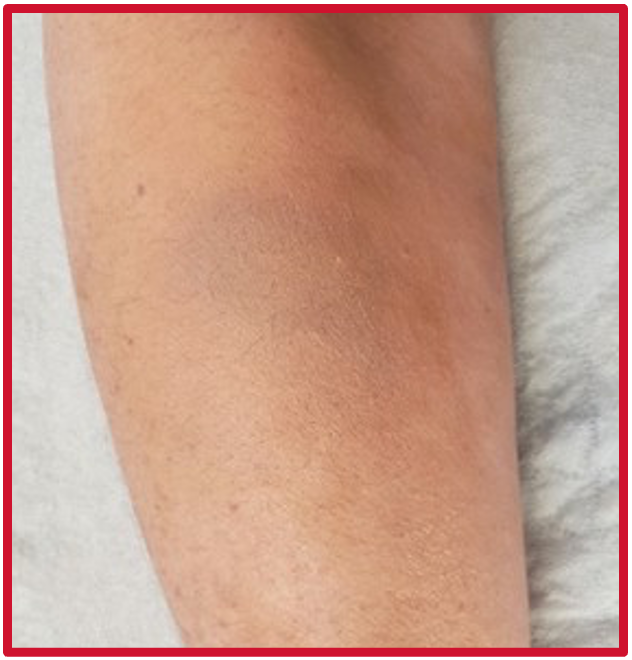
Corrective camouflage of macular ecchymosis of the antecubital fossa following venous blood draws

Patient photographs

Before After

Description of the disease

Cancer therapies using immune checkpoint inhibitors aim to restore the anti-tumour immune functions of T lymphocytes. Monoclonal antibodies (against CTLA-4 and PD-1/PD-L1) currently available for the treatment of advanced melanoma are administered by slow intravenous infusion every 2, 3 or 4 weeks, depending on the drug and dosage. In addition, patients receiving these therapies must undergo frequent blood tests prior to infusions to monitor for immune-related adverse events (irAEs) that may be associated with these therapies.

Dermocosmetic management

  • CICAPLAST Baume B5+, a repairing and soothing balm that rebalances the skin’s microbiome, once or twice a day to promote repair

Adjuvant treatment follow-up

Bruising resulting from frequent vein access is a persistent sign of the condition, which is made less noticeable through the use of camouflage, and which the patient can apply independently at home.

Camouflage

Material

  • Base cream

  • Green concealer

  • Powder

  • Foundation

  • Thermal spring water

  • Sponge

  • Powder puff

Technique

  • Spread the base cream over the haematoma and wait for it to absorb.

  • Dab on a little yellow concealer with a sponge.

  • At the edges of the haematoma, where the contrast between the two colours is most evident, dab on a lighter concealer depending on how marked this area is.

  • Apply a coat of powder with the appropriate puff to set the concealers.

  • Apply a liquid foundation with a sponge over the entire haematoma, which should then be blended over the entire arm.

  • Apply powder to set it and spray a little thermal spring water to give the arm a more natural appearance.

Adjuvant treatment outcomes

The effect of the treatment is to divert the patient's gaze, as well as that of others, from the procedure-related marks associated with the management of the condition.