



Discoid lupus erythematosus


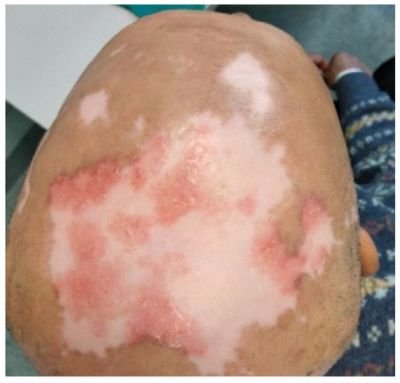
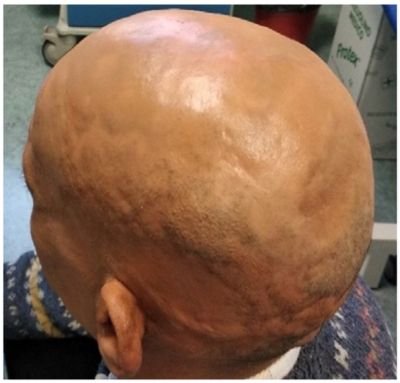
Corrective camouflage of scalp depigmentation lesions, with central hypopigmentation and hyperpigmentation at the edge

Patient photographs

Before After

Description of the disease

Within the skin forms of lupus erythematosus, there are three major forms: acute, subacute, and chronic. Acute manifestations are usually associated with internal organ pathologies and are therefore not covered by this description. The subacute form is most frequently associated with drugs (including chemotherapy agents) and is characterised by marked photosensitivity and poor potential for scarring or atrophy. The sequelae are usually depigmentation, often with hypo- or depigmented lesions. After discontinuation of the drug involved, lesions may either regress or persist, requiring long-term therapeutic and cosmetic management. Finally, discoid lesions are among the most common manifestations and usually involve high cosmetic impact areas such as the scalp, face, and ears. These lesions are potentially disfiguring as they lead to atrophic and dyschromic scarring, specifically with sepia-coloured hyperpigmentation at the edges and hypochromia in the centre.

Dermocosmetic management

  • LIPIKAR Baume AP+M, a lipid-replenishing and anti-itch body balm that restores the balance of the skin’s microbiome

  • TOLERIANE Dermallergo Cream, which moisturises, soothes and repairs, with a hypoallergenic formulation for allergy-prone or ultra-sensitive skin

  • ANTHELIOS UVMUNE 400, SPF 50+ broad-spectrum protection, expertly designed for sensitive or reactive skin, offering protection against UVA, ultra-long UVA, and UVB radiation

Adjuvant treatment follow-up

Considering that manifestations exclusively involving the skin do not pose any contraindications to continuing the current chemotherapy, the use of camouflage together with the daily use of additional advice is essential to reduce the signs of potentially disfiguring skin manifestations on the face more quickly and to improve compliance with cancer treatment.

Camouflage

Material

  • Base cream

  • Green concealer

  • Clear concealer

  • Powder

  • Foundation

  • Thermal spring water

  • Sponge

  • Powder puff

Technique

  • Apply the base cream and wait for it to absorb.

  • Apply by dabbing a green concealer on the erythematous areas to neutralise the redness.

  • Apply clear concealer to other parts.

  • Set with powder.

  • Dab on a liquid foundation that most closely matches your skin tone.

  • Set with a powder puff and spray with thermal spring water to make everything more natural and even.

Adjuvant treatment outcomes

The patient has a dark skin type, and the lesions on the head and face could be mistaken for signs of leprosy in the process of healing. For this reason, the patient had been marginalised by their ethnic group, and the treatment helped them integrate socially and professionally.